A realistic 3-day, budget-end trip starts around USD 1,300 per person in Uganda, rising to USD 3,000+ mid-range and considerably more at the luxury end. The East Africa Tourist Visa (USD 100) covers Uganda, Rwanda, and Kenya on one visa, a USD 50 saving over buying Uganda and Rwanda visas separately and the single best cost-saving tip for anyone combining two of these countries. DR Congo requires its own separate visa regardless of what else you’re combining.
On booking timelines: during peak season (June–September and December–February), popular sectors, especially Buhoma in Uganda and Volcanoes NP, generally can sell out 3 to 6 months in advance. Rushaga in Uganda typically has the best last-minute availability because it has the most families. In the shoulder/rainy months, 4 to 8 weeks’ notice is usually enough. Our Best Time to Go Gorilla Trekking guide covers seasonal trade-offs in more depth, and our budget gorilla trekking guide and luxury gorilla trekking guide cover both ends of the accommodation spectrum.
What to Pack, Regardless of Country
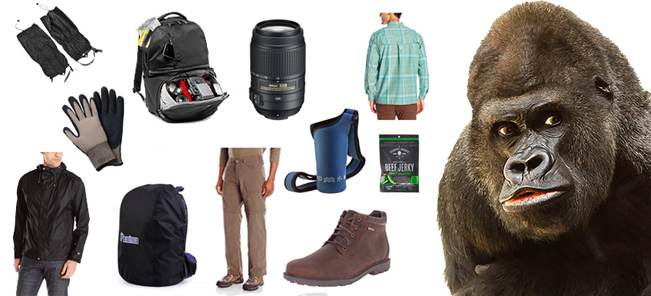
- Long-sleeved shirt and trousers in dark, natural colours (green, khaki, brown); bright colours can startle gorillas
- Sturdy, waterproof hiking boots; terrain is frequently muddy in all three countries
- Gardening gloves for steep, vegetated sections
- Minimum 2 litres of water, snacks, and a rain jacket regardless of season or forecast
- A camera with a fast lens (f/2.8 or wider) and Auto-ISO: The forest canopy blocks most light and flash is prohibited everywhere
- Yellow Fever vaccination proof (mandatory entry requirement for Uganda; check current requirements for Rwanda and DRC before travel)
What Gorilla Trekking Guides Won’t Always Tell You
- “Cheaper” isn’t always “easier.” Uganda’s $800 permit is genuinely good value, but Rushaga and Nkuringo’s terrain can be more physically demanding than Rwanda’s more accessible parks like Sabyinyo. Match the sector to your fitness, not just your budget.
- The Habituation Experience is not automatically “better” than a standard trek. Semi-habituated gorillas can be more stressed and less predictable. Some clients love the rawness; others find a standard, fully habituated one-hour trek more relaxing and just as memorable.
- You don’t choose your gorilla family until the morning of the trek, when rangers assign groups based on ability and requests. What you actually control at the booking stage is the sector, not the individual family plan around that.
- DR Congo’s lower price reflects real operational risk, not a hidden bargain. If a permit price looks unusually low or a listing doesn’t mention current park status, ask directly before paying anything.
- Rainy-season trekking (roughly March–May and September–November) isn’t a compromise. Permits are easier to get, trails are quieter, and the forest is at its most photogenic. The trade-off is muddier trails, not a worse gorilla encounter.
Frequently Asked Questions about Mountain Gorilla Trekking Destinations in Africa
What are the three countries where you can see mountain gorillas?
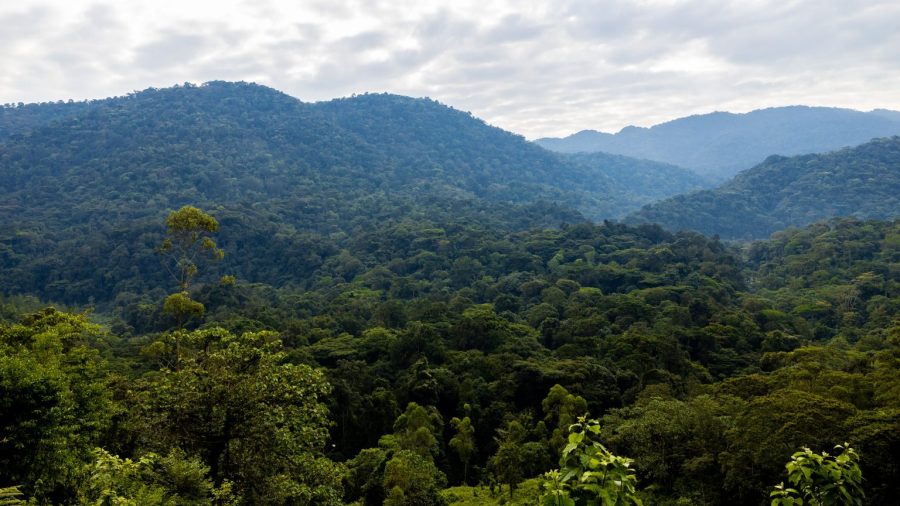
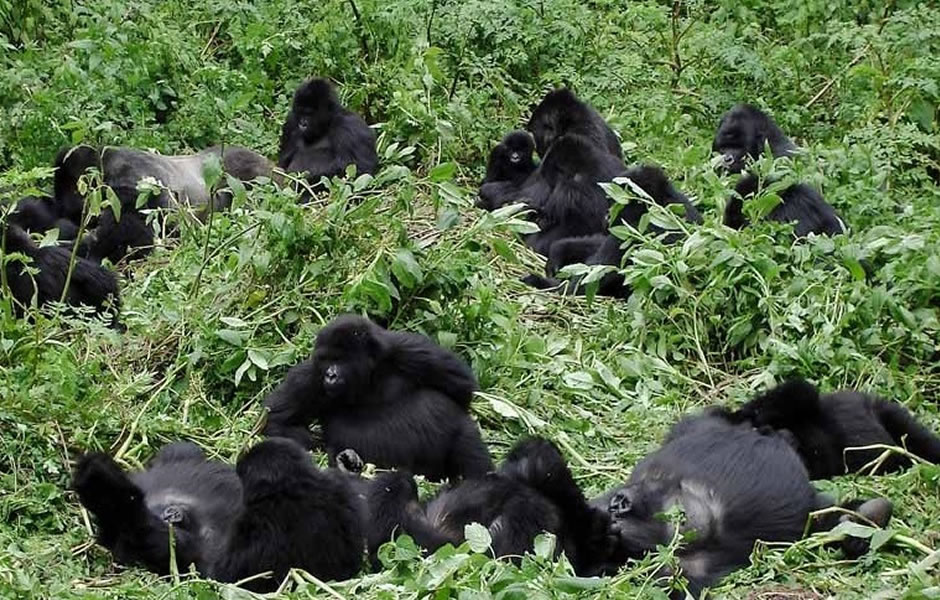
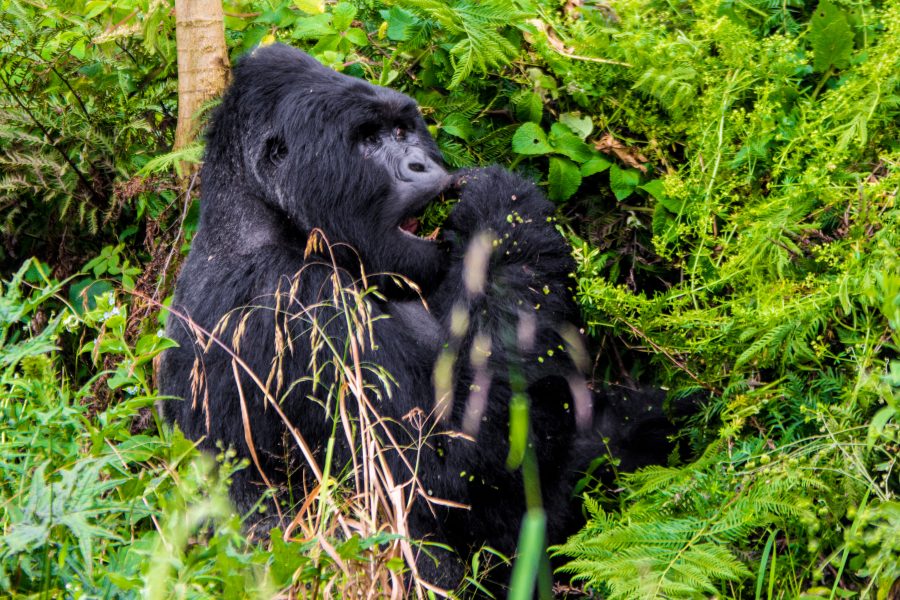
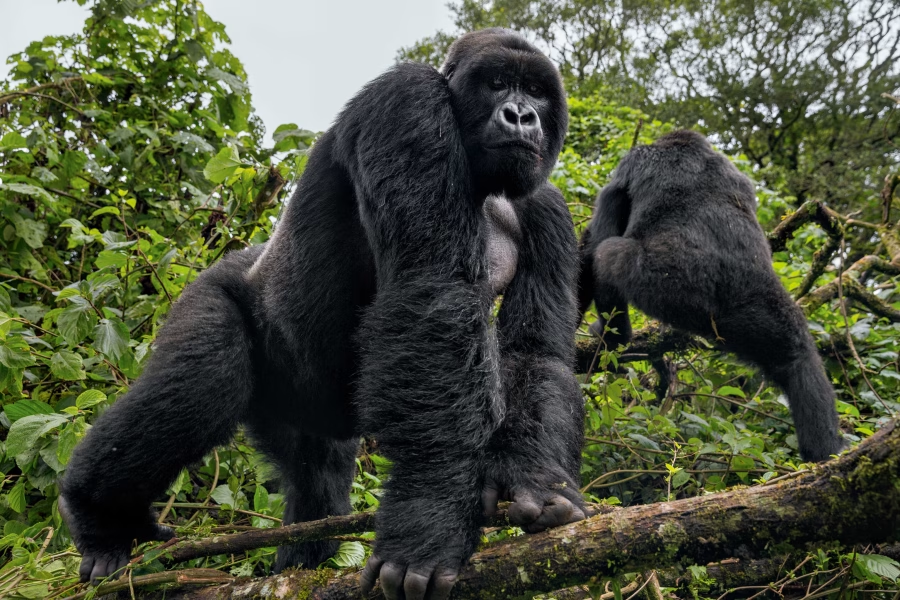
Mountain gorillas can be legally trekked in only three countries: Uganda (Bwindi Impenetrable National Park and Mgahinga Gorilla National Park), Rwanda (Volcanoes National Park), and the Democratic Republic of Congo (Virunga National Park, plus the related eastern lowland gorilla population at Kahuzi-Biega). There is no fourth country and no captive alternative; mountain gorillas do not survive in zoos. Uganda holds the largest share of the population and the most habituated families, roughly 20 in total. All three countries sit within or beside the Virunga Massif and the neighboring Bwindi-Sarambwe forest, the only two habitats where the subspecies exists in the wild.
Which country is cheapest for gorilla trekking?
DR Congo’s Virunga National Park has the lowest standard permit price at USD 400 per person, followed by Uganda at USD 800, with Rwanda the most expensive at USD 1,500. Price alone is a poor way to choose, however. Virunga’s low cost reflects real operational risk; the park has faced repeated closures tied to security conditions in eastern DR Congo, and travelers should confirm current status before booking. Uganda offers the best combination of low price, high permit availability, and consistent operational reliability of the three.
How much does a gorilla trekking permit cost in Uganda, Rwanda, and DR Congo?
A standard one-hour gorilla trekking permit costs USD 800 per person in Uganda (Uganda Wildlife Authority), USD 1,500 per person in Rwanda (Rwanda Development Board), and USD 400 per person in DR Congo (Institut Congolais pour la Conservation de la Nature, Virunga National Park). Uganda also sells a separate Gorilla Habituation Experience permit at USD 1,500 for up to four hours with a semi-habituated family in the Rushaga sector. None of the three countries offers a group or family discount; the price is per person regardless of group size.
Is Uganda or Rwanda better for gorilla trekking?
Neither is objectively better; the one-hour encounter with a habituated gorilla family is essentially identical in both countries. Uganda is the stronger choice for value, permit availability, and pairing gorilla trekking with a wider wildlife safari, since Queen Elizabeth National Park, Kibale Forest, and Murchison Falls are all within a day’s drive of Bwindi. Rwanda is the stronger choice for speed and polish, with a roughly 2 to 2.5-hour drive from Kigali International Airport to Volcanoes National Park versus 8 to 9 hours by road from Entebbe to Bwindi. If your time is limited to a long weekend, Rwanda wins; if you have 5 or more days and want more for your money, Uganda wins.
Is it safe to go gorilla trekking in the DR Congo right now?
Virunga National Park’s operational status changes with the security situation in eastern DR Congo and has been suspended during periods of conflict around Goma, including a closure that began in 2025. We treat this as a live, situation-dependent question rather than a fixed answer. Kahuzi-Biega National Park, home to the eastern lowland gorilla, has generally remained more consistently accessible and is the alternative we typically recommend when Virunga is closed.
How many mountain gorillas are left in the world?
The last fully published census, completed in 2018 by the Greater Virunga Transboundary Collaboration and partners, counted 1,063 mountain gorillas across the Bwindi-Sarambwe and Virunga massif ecosystems, up from approximately 620 in 1989 and around 254 in Dian Fossey’s 1981 survey. A new Bwindi-Sarambwe count led by the International Gorilla Conservation Programme began in May 2025. The IUCN downgraded the mountain gorilla from Critically Endangered to Endangered in 2018 on the strength of this recovery, though the species remains rare enough that every individual matters to the population’s stability.
Can you see gorillas in Kenya or Tanzania?
No. Kenya and Tanzania do not have wild mountain gorilla populations; both countries are excellent for the Big Five and other wildlife safaris, but gorilla trekking is not possible there. Travellers building a combined East Africa itinerary typically fly into Nairobi or Kilimanjaro for the safari portion and then add a separate leg to Uganda, Rwanda, or DR Congo specifically for gorilla trekking. We regularly build combined itineraries that link a Kenya or Tanzania safari with a Uganda or Rwanda gorilla trek; ask us for routing options if this applies to your trip.
What is the difference between mountain gorillas and lowland gorillas?
Mountain gorillas (Gorilla beringei beringei) live only in the Virunga Massif and Bwindi Impenetrable Forest at altitudes of roughly 1,500 to 4,000 meters and are the gorillas trekked in Uganda, Rwanda, and Virunga in the DR Congo. Eastern lowland gorillas, or Grauer’s gorillas (Gorilla beringei graueri), are a separate subspecies found only in eastern DRC’s lowland forests, including Kahuzi-Biega National Park, and are the world’s largest gorillas by body size. Western lowland gorillas (Gorilla gorilla gorilla), found in Central African countries such as Gabon and the Republic of Congo, are a different species entirely and are not part of a typical East African gorilla trekking itinerary. Each subspecies requires a separate trip and a separate permit.
How do I book a gorilla trekking permit?
Permits are issued directly by the relevant national authority: the Uganda Wildlife Authority in Uganda, the Rwanda Development Board in Rwanda, and the Institut Congolais pour la Conservation de la Nature in DR Congo. Most travelers book through a licensed operator since a permit alone does not include transport, accommodation, ranger logistics, or cross-border coordination if you are routing through Kigali. As an AUTO-registered operator, we book permits directly in your name with no duplication risk and typically confirm live availability within a few minutes of you sending your preferred dates on WhatsApp.
How many days do I need for a gorilla trekking trip?
A minimum of 3 days is realistic for a single-country gorilla trek: one day to arrive and transfer, one day to trek, and one day to depart or connect onward. Rwanda can be done faster, in some cases as a 2-day trip from Kigali, given the short 2- to 2.5-hour drive to Volcanoes National Park. Combining gorilla trekking with a wider wildlife safari in Uganda, such as Queen Elizabeth National Park or Kibale Forest, typically extends the trip to 5 to 10 days. We generally advise against a same-day return trek from Kigali to Uganda; it is possible but exhausting, and most travelers are happier with at least one night near the park.
Can I trek gorillas in more than one country on the same trip?
Yes, and it is more straightforward than most travelers expect, since Uganda’s, Rwanda’s, and DR Congo’s gorilla parks sit within a few hours of each other around the Virunga Massif. The most common combination is Uganda and Rwanda, connected via the Cyanika border crossing in roughly 4 to 5 hours between Kigali and Bwindi’s southern sectors. The East Africa Tourist Visa, priced at USD 100, covers both Uganda and Rwanda (plus Kenya) on a single visa, which is a USD 50 saving over buying two separate visas. Combining a third country, DR Congo, adds a different visa and, currently, a security check on Virunga’s operational status.
What is the gorilla habituation experience, and where can I do it?
The Gorilla Habituation Experience is a permit product exclusive to Uganda’s Rushaga sector in Bwindi Impenetrable Forest, priced at USD 1,500 per person. Unlike the standard one-hour visit with a fully habituated family, it allows up to four visitors, rather than eight, to spend up to four hours with a semi-habituated gorilla family alongside the UWA researchers actively acclimating that group to human presence. Neither Rwanda nor DR Congo currently offers an equivalent product. The trade-off is predictability: a semi-habituated family may move more, show more stress signals, or behave less consistently than a fully habituated one, which some travelers find rawer and more rewarding, and others find less relaxing than a standard trek.