
Best Time to Go Gorilla Trekking in Rwanda: A Month-by-Month Guide
The best time to go gorilla trekking in Rwanda is June-September and December-February. See month-by-month details and get a free quote today.
The best time to go gorilla trekking in Rwanda is during the two dry seasons, June through September and December through mid-February, when Volcanoes National Park’s volcanic slopes are at their firmest and the 1.5 to 4-hour hike to a habituated gorilla family is at its most manageable. Rwanda’s dry months also carry the highest demand for the country’s 10 habituated gorilla families, so permits at USD 1,500 per person sell out furthest in advance during these windows. The wetter shoulder months of March to May and October to November bring thinner crowds, occasional permit availability at short notice, and a greener Virunga landscape, at the cost of muddier, steeper trails. This guide breaks the year down month by month, compares Rwanda’s trekking calendar to Uganda’s and DR Congo’s, and shows exactly when to book depending on whether your priority is a guaranteed permit, fewer people on the trail, or the best photography light.
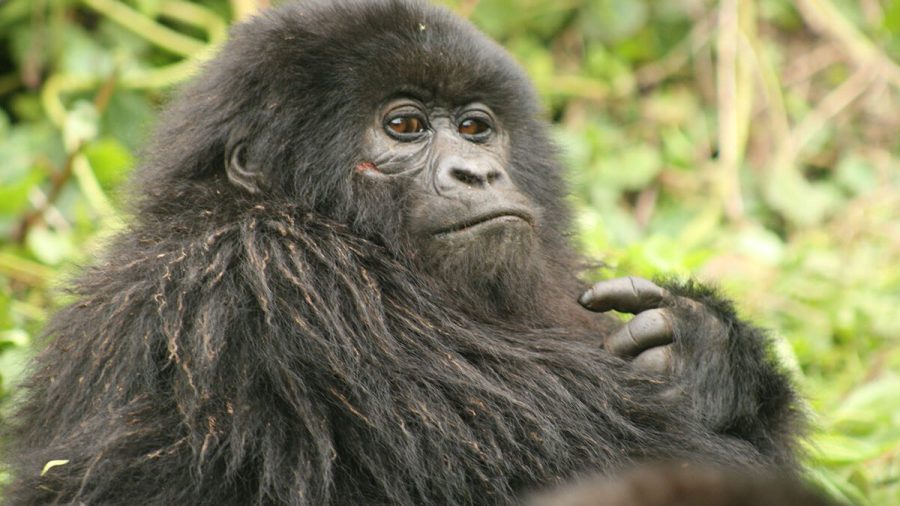
The best time to go gorilla trekking in Rwanda is from June to September and then December up to February. However, you can enjoy mountain gorilla trekking in Rwanda at any time of year, and it can be a pleasant experience. Gorilla tours in Rwanda are done at the Volcanoes National Park in the Ruhengeri area. This principle applies to gorilla trekking in Uganda in Bwindi Impenetrable Forest National Park. In any of these countries, gorillas live in forests with relative rainier seasons. But all months are equally ideal for gorilla tracking safaris since East Africa at large has pretty balanced weather conditions.
In Rwanda, the year’s first rains begin in late February and continue through March and April, resulting in moderate numbers of tourists due to the wet conditions and muggy forests. However, some visitors love the muddy and wet environment during the tracking of gorillas, as the season defines the best African safari experience. During these wet months, there’s sufficient gorilla food down slopes due to rains, and at the same time, it is much frostier on the higher slopes. So the gorillas stay around the warmer lower slopes where food is plentiful.
If you trek mountain gorillas during these months, your trek will probably be short. In this case, many trekkers find the gorillas after hiking for like 2 or 3 hours and are back at their lodges by lunchtime. This same scenario applies to Uganda, even though the torrential rains there start in March and continue up to May.
Quick Facts: Best Time to Go Gorilla Trekking in Rwanda
| Fact | Detail |
|---|---|
| Best overall months | June-September and December-mid-February (dry seasons) |
| Wettest months | March-May (long rains) and October-November (short rains) |
| Rwanda gorilla permit price | USD 1,500 per person (Rwanda Development Board) |
| Habituated gorilla families | 23 in Volcanoes National Park |
| Park name & size | Volcanoes National Park (Parc National des Volcans), ~160 sq km |
| Nearest base town | Musanze (formerly Ruhengeri), ~90 minutes from Kigali |
| Trek duration | 1.5-4 hours hiking each way, plus 1 hour with the gorillas |
| Peak-season booking lead time | 3-6 months ahead for Jun-Sep and Dec-Feb |
| Shoulder-season booking lead time | 2-4 weeks in April, May, and November is often enough |
| Park altitude range | 2,400m-4,507m |
| Minimum trekking age | 15 years, no exceptions |
| Daily briefing time | 7:00 AM at RDB headquarters, Kinigi |
Despite the coldness, it’s undeniably true that such rains don’t make it hard or impossible to undertake gorilla tracking exercises. Gorilla tourists still are able to hike in the steep topographies. At the same time, the said rains only last for between 1 and 2 hours or even less, like every 3-5 days, and the sunshine comes out. Even in the so-called drier months, there is visible rain in considerable quantities. The high or low presence of gorilla visitors in either Uganda or Rwanda can also still be attributed to summer and winter seasons in the countries outside Africa, where their occurrences vary. The nature of their jobs and education holidays also contributes to gorilla holidays in Africa.
During summer, for instance, in Europe, figures of gorilla trekking visitors surge, and the same number drops during winter. With all the factors for high- or low-gorilla trekking activities in place, there are a number of gorilla trekking vacationers who regularly benefit from the low seasonal discounts on lodge facilities. Uganda no longer offers discounted gorilla trekking permits, which it used to sell in March, April, May, and November. All permits in Uganda or Rwanda cost according to their set prices throughout the year.
During the months when tourist numbers are relatively low, several lodging and accommodation facilities in the mountain gorilla-populated regions will offer discounts on their rates to incentivize travelers. Whatever the case, all the above explanations aside, records and experience demonstrate that trekking mountain gorillas is doable at any time of the year. Most past visitors attest that the experience and results are almost similar.