Budget Gorilla Trekking in Uganda: A Realistic Cost-Cutting Guide.

Budget gorilla trekking in Uganda means keeping every cost but the permit low. See real prices, cheap camps, and how to save. Get a free quote today.

Budget gorilla trekking in Uganda means keeping every cost down to USD 800 (or USD 600 in low season). Uganda Wildlife Authority permits are fixed and non-negotiable, regardless of which operator books them, so you should aim to keep the cost as low as realistically possible. A lean, well-planned trip built around a shared vehicle, community-run budget camps, and Uganda’s new April, May, and November discounted permit rate can bring a complete gorilla trekking trip from Kigali or Entebbe down to roughly USD 1,150 to 1,400 per person, well below the USD 3,000-plus mid-range benchmark. Uganda is structurally the cheapest of the three trekking countries once DR Congo’s current security situation is accounted for, since Rwanda’s flat USD 1,500 permit and Congo’s currently suspended Virunga access both remove the two obvious “even cheaper” alternatives. This guide breaks down exactly where the real savings are, which corners are safe to cut and which aren’t, and what a genuinely low-budget itinerary looks like sector by sector.

Budget Gorilla Trekking in Uganda: 2027 Cost-Cutting Guide

Budget gorilla trekking in Uganda includes shorter, cheaper, and more affordable gorilla tours. These trips start from Kigali to Bwindi Impenetrable National and Mgahinga Gorilla National Park. Other tours start from Entebbe or Kampala to the two gorilla parks in Uganda. Budget gorilla safaris usually include one-day, two-day, and 3-day safaris in Uganda. But the low-cost gorilla trips may be longer, say for 10, 15, or days. We can offer you longer holiday safari itineraries on budget prices.

At Active African Vacations, we pay much attention to low-budget itineraries, and we strive to arrange for cheap gorilla safaris without putting the tour experience at stake. As a tour operator that has been around for years, we have special arrangements with hotel and lodge facilities that give us the best discounted rates for our visitors. This kind of arrangement determines the affordable nature of our low gorilla trekking safari prices. When you book a gorilla trip with us during the low season periods running from March to May and from October to early December, you will benefit from the lowest rates most lodges offer. During such periods, expect favorable and affordable gorilla safari prices.

Free Quote · A few Minutes Reply

Ready to See the Gorillas Yourself?

Tell us your dates and we’ll check live permit availability today: budget to luxury, Uganda, Rwanda & Congo.

Plan My Trek →

Affordable Uganda Gorilla Tours in Bwindi & Mgahinga

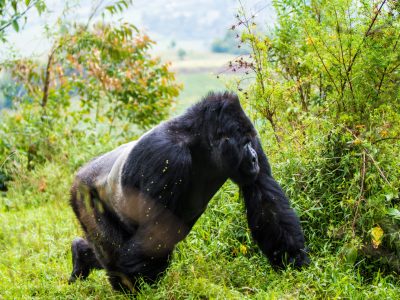
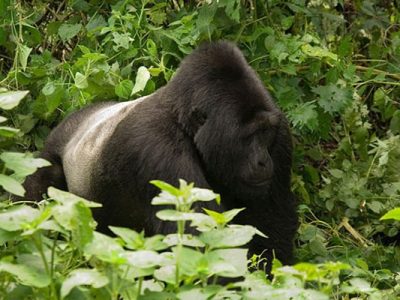
Bikyingi Gorilla Family Silverback Male

2-Day Gorilla Safari in Uganda from Kigali, Rwanda

Fly into Rwanda and trek gorillas in Uganda on a 2-day trip to Bwindi Forest.

Gorilla Trekking Uganda: Tours, Permits & Prices

1-Day Gorilla Tour to Bwindi Impenetrable Forest/Mgahinga

Trek gorillas in Uganda by leaving Kigali early and returning in the evening.

Gorilla Trekking in Rwanda

3-Day Bwindi Forest Gorilla Safari from Kigali in Rwanda

The 3-day gorilla safari starts from Kigali to Bwindi and back after the gorilla encounter.

Mountain Gorilla Bwindi

Bwindi Gorilla Tour from Entebbe for 3 days

Start a road trip to Bwindi Impenetrable National Park from Kampala or Entebbe.

At times, we include midrange safari lodges into our budget tours to ensure that our guests are happy. Budget gorilla trekking does not necessarily mean simple vehicles or backpacking facilities; to us, budget means affordability with high quality. When you book a budget safari in Uganda with us, expect surprises, as you will find yourself in medium or midrange accommodation and vehicle facilities as we execute your safari.

The budget gorilla tour in Uganda is undoubtedly the best. There are several cheap and budget lodge facilities around Bwindi Impenetrable National Park. With Rwanda’s gorilla permit at USD 1500 and Uganda’s at USD 800 for similar gorillas, you would have a better experience in Uganda, saving USD 700 on a single permit. Bwindi is a habitat for half the population of the earth’s remaining gorillas. The gorilla permit prices in Rwanda indicate that any trip to Volcanoes National Park is inherently luxurious. Whether for 1, 2, or 3 days, it would remain expensive. Though Congo has the cheapest gorilla permit at USD 450, the unpredictability of the security conditions makes safaris in the Virunga National Park risky. Even Congo lodges are costly, so even if you get a cheaper Congo permit, you will still spend a lot on accommodation and flights, making a Congo gorilla tour no better deal.

Out of the three countries with mountain gorillas (Uganda, Rwanda, and Congo), the Pearl of Africa remains the best destination for budget gorilla safaris and tours. The cheaper gorilla permits and accommodations put the country as the most favored gorilla destination in the Great Lakes region.

Budget Gorilla Trekking in Uganda: Quick Facts

Fact Detail
Standard Uganda gorilla permit USD 800 pp (foreign non-resident), fixed by UWA
Low-season permit (new, 2026) USD 600 pp, valid April, May & November only; non-reschedulable
Cheapest realistic total trip cost ~USD 1,150–1,400 pp for a lean 3-day trip from Kigali
Mid-range benchmark (for comparison) USD 3,000+ pp, per the site’s own general cost data
Rwanda permit (for comparison) USD 1,500 flat, no seasonal discount, ever
DR Congo permit (for comparison) From ~USD 400, but Virunga tourism is currently suspended
Best sector for permit availability Rushaga (9–10 families) availability, not price, is the saving
Budget camps from ~USD 15–40 pp/night (banda or camping); community rest camps in every sector
Porter cost USD 15–20/day is optional but not a cut we recommend making
Cheapest Kigali–Bwindi route Katuna or Cyanika border crossing, 4–6 hrs by road
Visa saving East Africa Tourist Visa: USD 100 covers Uganda and Rwanda together
🚊  Only ~128 Uganda gorilla permits issued daily

Your Gorilla Trek Starts With One Message

Tell us your dates and we’ll check live permit availability and send your quote within Minutes: free, no obligation.

Get My Free Quote   AUTO-registered operator · Budget to luxury · Uganda, Rwanda & Congo

What “Budget” Actually Means for Uganda Gorilla Trekking

The Uganda Wildlife Authority permit is a fixed cost that no operator, budget or otherwise, can discount: USD 800 per person in the standard season or USD 600 in the newly reintroduced low season. This single fact separates gorilla trekking from almost every other budget travel category, where shopping around genuinely changes the headline price. Here, it doesn’t. What changes with a budget approach is everything built around the permit: accommodation tier, vehicle type and occupancy, meal arrangements, whether you fly or drive, and whether you add extras like the Gorilla Habituation Experience.

In our experience quoting both budget and luxury trips from the same enquiry desk, most first-time trekkers assume the permit itself is where the negotiation happens and are surprised to learn it isn’t. The actual budget conversation is about accommodation tier (a USD 740 per-night swing between a community camp and a top-end lodge), vehicle occupancy (shared versus private transport), and timing (low season versus peak). Understanding this distinction upfront prevents the frustration of an operator quoting USD 800 for “the permit” while a client assumes there’s room to haggle.

Uganda’s New Low-Season Gorilla Permit Discount: The Single Biggest Legitimate Saving

On 26 February 2026, the Uganda Wildlife Authority formally announced a discounted low-season gorilla permit rate for the first time in several years, effective 1 April 2026 and extending through 2027. Foreign non-residents now pay USD 600 instead of USD 800 for treks scheduled in April, May, or November, a straight USD 200 saving per person that requires no negotiation, no group size, and no booking trick only travel dates. Foreign residents with a valid Ugandan work permit pay USD 500 instead of the standard USD 700 during the same months.

Frequently Asked Questions About Gorilla Trekking

The current low-season rate is real, officially announced, and stackable with every other saving in this guide. The one meaningful catch: low-season discounted permits are non-reschedulable once issued. If your travel dates have any real chance of shifting, weigh that risk against the USD 200 saving before booking a low-season permit.

As of 1 March 2026, UWA also eliminated the old 7-day reservation hold that previously allowed travelers to reserve a permit before making full payment. Full payment is now required at the time of booking, whether in standard season or low season. This raises the practical importance of having your dates and budget genuinely fixed before you commit, since there is no longer a grace window to change your mind.

Uganda vs Rwanda vs DR Congo: Which Is Actually Cheapest for a Real Trip

Uganda’s permit undercuts Rwanda’s by USD 700 per person and is the only one of the three countries with a genuine, currently active low-season discount, but the honest comparison has to include DR Congo’s headline-cheapest price and why it doesn’t currently translate into a realistic budget option.

Factor Uganda Rwanda DR Congo
Standard permit $800 $1,500 From ~$400
Low-season discount Yes, $600 No, ever N/A
Habituated families ~20 (Bwindi + Mgahinga) ~18 (Volcanoes NP) ~8 (Virunga NP)
Current accessibility Fully open, stable Fully open, stable Virunga tourism is currently suspended
Realistic budget verdict Cheapest workable option Never the budget choice Cheapest on paper, not bookable right now

DR Congo’s Virunga National Park deserves a direct, honest mention rather than a footnote, because “$400” is a genuinely eye-catching figure for a budget-focused search. The reality: Virunga’s gorilla tourism has been suspended intermittently for years due to security conditions in eastern DR Congo, including armed group activity, and remains suspended at the time of writing. Even when Virunga has been open in the past, the low permit price has often been offset by higher relative accommodation and security-escort costs, so it has rarely translated into the outright cheapest total trip. For now, Uganda is the honest budget answer, not because it’s the only option on paper, but because it’s the only one of the three that is both cheap and currently reliably bookable.

Choosing a Budget-Friendly Sector and Family

No Bwindi sector charges a different permit price. Buhoma, Ruhija, Rushaga, and Nkuringo all cost the same USD 800 (or USD 600 low season), so sector choice affects your budget indirectly, through transport distance, accommodation density, and permit availability, rather than through the permit fee itself.

Rushaga: the practical budget default

Rushaga holds nine to ten gorilla families, the highest concentration of any Bwindi sector, which gives it the best last-minute permit availability. For budget travellers, this matters more than it sounds: booking non-refundable budget transport and a budget camp only makes sense once your permit is actually confirmed, and Rushaga’s depth of availability reduces the risk of a sold-out sector forcing a late, more expensive change of plans. It is also the sector most directly reached from Kigali via the Cyanika border crossing, a 4- to 5-hour drive that keeps transfer costs down for Kigali-routed budget trips.

Buhoma: the accessible middle ground

Buhoma has the widest range of budget accommodation of any sector, including some of Bwindi’s longest-established community-run camps, and its trails are generally rated easy to moderate, which matters if you’re also trying to minimize porter-plus-guide costs by tackling the trek with less hired support. It’s a roughly 8- to 9-hour road journey from Entebbe, longer than Rushaga’s Kigali routing, so factor that into a transport budget if you’re flying into Uganda directly.

For the full picture of how all four sectors compare on difficulty, distance, and lodge density, see our guide to the sectors for gorilla trekking in Bwindi. Mgahinga Gorilla National Park, home to the single Nyakagezi family, is also worth considering for budget trips routed through Kisoro, since it sits closer to the Rwanda border than Bwindi’s southern sectors and can shorten a Kigali-based transfer; see our 3-day Mgahinga gorilla trekking itinerary.

Free Quote · A few Minutes Reply

Ready to See the Gorillas Yourself?

Tell us your dates and we’ll check live permit availability today: budget to luxury, Uganda, Rwanda & Congo.

Plan My Trek →

Budget Accommodation in Bwindi, Sector by Sector

Every one of Bwindi’s four sectors has at least one community-run budget option, typically a mix of simple ensuite bandas, dorm-style rooms, and camping pitches, running roughly USD 15 to 40 per person per night against USD 400 or more at the top-end lodges directly bordering the park.

Sector Budget Option What to Expect
Buhoma Buhoma Community Rest Camp Community-run bandas and safari tents minutes from the park headquarters; traditional meals and cultural performances
Buhoma Bwindi Backpackers Lodge Dorms, budget rooms, and camping grounds aimed squarely at low-cost independent travelers
Ruhija Ruhija Community Rest Camp Twin and ensuite cottages plus dedicated camping pitches, a short walk from the ranger station and ITFC research offices
Rushaga Nshongi Campsite Budget camping a short walk from the Rushaga UWA briefing point; tents available to hire on site
Nkuringo Nkuringo Community Rest Camp Rustic, community-managed bandas and camping aimed at trekkers heading into Nkuringo’s ridge-line families

Book accommodation in the same sector as your permit. Bwindi’s sectors are separated by hours of unpaved forest road, and travelling between sectors on the morning of your trek risks missing the 7:00–8:00 AM ranger briefing entirely.

Ruhija and Nkuringo: quieter, with real trade-offs

Ruhija and Nkuringo both offer genuine budget accommodation, Ruhija Community Rest Camp and Nkuringo Community Rest Camp, respectively, but each carries a practical trade-off worth knowing before you commit a non-refundable permit. Ruhija has the fewest total lodge beds of any sector, so its budget camp can sell out even when permits for its four families remain available; book accommodation there as early as the permit itself. Nkuringo is Bwindi’s most physically demanding sector, with steep ridge descents and ascents, which raises the practical case for a porter regardless of budget, since the terrain itself, not just the cost of hired help, is the more serious consideration for less experienced hikers on a tight budget.

Where Corners Become Risk: What Not to Cut on a Budget Trek

Cutting cost and cutting risk are not the same decision, and a few line items in a gorilla trekking budget are false economies once you account for what they actually protect against.

Travel insurance with safari-activity coverage is the single most important non-negotiable on this list. Uganda gorilla permits are non-refundable once issued, and if you fall ill on the morning of a trek, UWA will deny you entry to the park on health grounds to protect the gorillas, with no permit refund. A policy that specifically covers pre-booked safari activities is the only realistic way to recover that cost if illness, injury, or a missed connection forces you to forfeit a permit. For the full rules UWA enforces on trek day, see our gorilla trekking rules and regulations guide.

Permit legitimacy is worth a moment of scrutiny on any budget quote. All legitimate Uganda gorilla permits are issued directly by UWA and carry a unique permit number, your name, sector, and trek date; be wary of any operator quoting a price meaningfully below USD 800 (or USD 600 in low season) for a standard permit, since counterfeit or fraudulently resold permits do circulate and are rejected at the park gate, leaving the traveller with no trek and no recourse. A genuinely budget trip cuts accommodation tier and transport comfort, not the permit price itself, which cannot be legitimately discounted outside the official low-season window.

Basic trail equipment, waterproof boots, a rain jacket, and gardening gloves is a small, one-time cost that materially affects how safely and comfortably you cover Bwindi’s often muddy, root-covered terrain. Buying or renting adequate gear is a poor place to economize. See our full packing guidance in the packing list for gorilla trekking.

Cutting Transport Costs: Shared Vehicles, Self-Drive, and Border Routes

Transport is the second-largest line item after the permit itself, typically USD 150 to 250 per person for a Kigali return transfer, and it’s also the item with the most genuine room to negotiate down.

Shared vehicles beat solo private transport.

A private 4×4 and driver-guide for the Kigali–Bwindi–Kigali route costs roughly the same whether one person or four are in the vehicle, so the per-person cost drops sharply as group size grows. Solo travellers and couples on a tight budget should actively ask about joining a shared group departure rather than defaulting to a private vehicle; the saving is often USD 50 to 100 per person each way.

Self-driving: possible, not usually cheaper for first-timers

Self-driving with a rented 4×4 is technically possible and can undercut a private guided transfer for a group of three or more, since you’re only paying for the vehicle rental rather than a driver’s daily fee. In practice, we don’t recommend it for first-time visitors: Bwindi’s access roads are steep, frequently unpaved, and poorly signed, and the cost of a wrong turn or a bogged-down rental on a morning trek outweighs the saving for most travelers unfamiliar with rural Ugandan roads.

Border crossing choice affects distance, not cost directly.

From Kigali, the Katuna crossing serves Ruhija and Buhoma, while the Cyanika crossing serves Rushaga and Nkuringo; neither crossing charges a materially different fee, but choosing the sector closest to your entry point shortens the drive and therefore the per-kilometer transport cost. Flying is faster but rarely cheaper: a scheduled flight from Entebbe to Kihihi or Kisoro airstrip runs well above the road transfer cost and is generally a time-saving choice for higher-budget trips rather than a budget lever.

Practical Logistics: A Realistic Budget Breakdown

Here is a line-by-line budget for a lean, well-planned 3-day gorilla trekking trip from Kigali, built around a low-season permit, shared transport, and community-run accommodation.

Cost item Budget range Notes
UWA gorilla permit $600 (low season) / $800 (standard) Fixed by UWA; non-reschedulable if low season
Accommodation (2 nights) $30–$80 pp total Community rest camp or backpacker-style budget rooms
Road transfer, Kigali return $100–$180 pp (shared vehicle) Via Katuna or Cyanika border crossing
Local porter $15–$20 per day Tip separately; not a recommended cut
Meals $15–$30 pp/day Budget camp canteen-style meals, not lodge restaurant pricing
Uganda e-visa $50 The East Africa Tourist Visa covers Uganda + Rwanda for $100 total.
Approximate 3-day total $1,150–$1,400 pp Low season, shared transport, budget accommodation

For comparison, our general cost breakdown across all budget tiers, including mid-range and luxury benchmarks, is on the gorilla trekking travel guide, and the contrast with a fully appointed trip is laid out on our luxury gorilla trekking Uganda page. Book the permit itself first: during peak season (June–September and December–February), popular sectors can sell out 3 to 6 months ahead, and locking the permit before committing to non-refundable budget transport or camp deposits protects the rest of your budget plan.

A Sample 3-Day Budget Itinerary, Day by Day

Here is how the cost table above plays out across an actual lean trip from Kigali:

  • Day 1: Kigali to Rushaga: Depart Kigali early via the Cyanika border crossing, sharing a vehicle where possible; arrive at a community-run budget camp such as Nshongi Campsite by mid-afternoon. Settle in, confirm your ranger briefing time for the following morning, and have an early, simple dinner.
  • Day 2: Gorilla trekking day: Report to the Rushaga ranger station for the 7:00–8:00 AM briefing, trek to your assigned family (anywhere from 45 minutes to several hours depending on the morning’s tracker report), spend your hour with the gorillas, and hike back out. A packed lunch at the trailhead and a full rest afternoon back at camp round out the day.
  • Day 3: Return to Kigali: Depart after breakfast, sharing the return transfer, and arrive back in Kigali by early evening. Travellers with more flexible budgets sometimes add a half-day Kigali city tour on this leg; a strict budget itinerary skips it and heads straight to the airport or onward travel.

What Most Budget Tour Operators Won’t Always Tell You

  • The Gorilla Habituation Experience is sometimes marketed as a “cheaper alternative to Rwanda,” which is technically true but misleading. At USD 1,500, the Gorilla Habituation Experience (GHE) costs nearly double the standard Uganda permit, making it a premium product rather than a budget option; confusing the two can lead some travelers to accidentally overspend.
  • Low-season permits being non-reschedulable is a bigger risk than most quotes make clear upfront. If there’s any real chance your travel window shifts, particularly for flights booked separately, the USD 200 saving can evaporate if you’re forced to forfeit a non-reschedulable permit and buy a new one at full price.
  • “Budget” accommodation quality varies far more than budget lodge quality. A community rest camp in one sector might be a genuinely comfortable ensuite banda; a similarly priced option elsewhere might be a bare tent pitch with a shared pit latrine. Ask specifically what’s included before booking, not just the nightly rate.
  • Skipping the porter to save USD 15 to 20 a day is one of the few cuts we actively push back on with clients. Beyond the direct community-income argument, porters meaningfully reduce fall and injury risk on Bwindi’s steep, often muddy trails, an unglamorous but real budget consideration if a fall means an unplanned medical bill.
  • The cheapest-looking operator quote is sometimes cheap because it excludes the porter fee, park entry logistics, or a realistic transport allowance from the headline number, only for these to appear as “optional extras” once you’ve committed. Ask for a single, all-in per-person total before comparing quotes across operators.
Free Quote · A few Minutes Reply

Ready to See the Gorillas Yourself?

Tell us your dates and we’ll check live permit availability today: budget to luxury, Uganda, Rwanda & Congo.

Plan My Trek →

Here are some frequently asked questions about budget gorilla trekking in Uganda.

How can I do gorilla trekking in Uganda on a budget?

The permit itself, USD 800 (or USD 600 in April, May, and November), is fixed by the Uganda Wildlife Authority and cannot be discounted, so budget trekking comes down to cutting every other cost: travel during low season, stay in community-run budget camps or campsites, share a vehicle instead of booking private transport, and skip the Gorilla Habituation Experience in favor of a standard one-hour trek. A well-planned budget trip typically runs USD 1,150 to 1,400 per person for three days from Kigali.

What is the cheapest way to see gorillas in Uganda?

The cheapest realistic route combines a low-season permit (USD 600, valid April, May, and November only), a shared road transfer from Kigali or Entebbe rather than a private vehicle, and a community-run budget camp or campsite such as Buhoma Community Rest Camp or Ruhija Community Rest Camp rather than a lodge. The Rushaga sector, with nine to ten families, generally offers the best permit availability for last-minute or flexible budget planning.

Does Uganda still offer a low-season gorilla permit discount?

Yes. The Uganda Wildlife Authority announced a new low-season discount on 26 February 2026, effective 1 April 2026: foreign non-residents pay USD 600 instead of USD 800 during April, May, and November. Foreign residents with a valid Ugandan work permit pay USD 500 instead of USD 700. These discounted permits are non-reschedulable once issued, so confirm your travel dates before booking.

How much does a complete budget trip for gorilla trekking cost in total?

A lean 3-day budget trip from Kigali, combining a low-season or standard permit, a shared vehicle, and community-run budget accommodation, realistically runs from around USD 1,150 to USD 1,400 per person, well below the USD 3,000-plus mid-range benchmark. The permit itself accounts for the majority of that floor; accommodation, transport, meals, porter, and visa fees make up the rest.

Is Uganda cheaper than Rwanda for gorilla trekking?

Yes. Uganda’s standard gorilla permit is USD 800 against Rwanda’s flat USD 1,500, a difference of USD 700 per person that is never discounted in Rwanda under any circumstance. For a couple, choosing Uganda over Rwanda saves USD 1,400 before a single night of accommodation is booked, and Uganda’s new low-season rate widens that gap further during April, May, and November.

Is DR Congo cheaper than Uganda for gorilla trekking?

On paper, yes. DR Congo’s Virunga National Park lists gorilla permits from around USD 400, the lowest headline price of the three countries. In practice, Virunga’s tourism access is currently suspended due to regional security conditions, so it is not a realistic budget option at the moment regardless of the permit price.

Which Bwindi sector is best for budget gorilla trekking?

Rushaga is generally the most practical sector for budget trekkers, not because the permit is cheaper (it isn’t; every Bwindi sector charges the same USD 800/600), but because its nine to ten gorilla families give it the best last-minute permit availability. That reduces the risk of paying for non-refundable budget transport and accommodation before a permit is actually confirmed.

Are there budget campsites near Bwindi Impenetrable National Park?

Yes. Each of Bwindi’s four sectors has at least one community-run budget option: Buhoma Community Rest Camp and Bwindi Backpackers Lodge in Buhoma, Ruhija Community Rest Camp in Ruhija, Nshongi Campsite in Rushaga, and Nkuringo Community Rest Camp in Nkuringo, all offering bandas, simple ensuite rooms, or camping pitches from roughly USD 15 to 40 per person per night.

How do I book a cheap gorilla permit in Uganda?

There is no discounted booking channel; the Uganda Wildlife Authority charges the same USD 800 (or USD 600 in low season) regardless of which operator books it on your behalf. The only legitimate way to lower the permit cost is to travel during April, May, or November, since the permit price itself is fixed and non-negotiable through any operator, licensed or otherwise.

Is the gorilla habituation experience cheaper than standard trekking?

No. The Gorilla Habituation Experience costs USD 1,500 per person, nearly double the standard USD 800 permit, for four hours instead of one with a semi-habituated family in the Rushaga sector only. It is a premium product, not a budget option, despite occasionally being marketed as an affordable alternative to a Rwanda trek.

Can I self-drive to Bwindi to save money?

Yes, self-driving with a rented 4×4 is possible and can be cheaper than a private guided transfer for groups of three or more, since you only pay for vehicle rental rather than a driver’s guide’s daily fee. It is not recommended for first-time visitors given Bwindi’s steep, frequently unpaved, poorly signed access roads; most budget travellers save more by joining a shared shuttle or group vehicle than by self-driving alone.

Do I need a porter if I’m on a tight budget?

A porter costs USD 15 to 20 per day and is not mandatory, but skipping one is one of the few cost cuts we actively discourage. Porters are frequently former poachers or community members who chose conservation-economy employment; the fee is a direct, meaningful local income, and a porter measurably reduces fall and injury risk on Bwindi’s steep, often muddy trails.

What is the cheapest month to go gorilla trekking in Uganda?

April, May, and November are the cheapest months, both because the UWA permit itself drops to USD 600 and because lodges and camps typically offer their lowest rack rates during these quieter periods. The trade-off is heavier rainfall and a non-reschedulable permit, so weigh that risk against the roughly USD 200-plus saving before booking.

How much should I budget for food and extras on a gorilla trek?

Meals typically run USD 15 to 30 per person per day at budget camps, cooked in simple canteen-style settings rather than in lodge restaurants. Add USD 15 to 20 per day for a porter, USD 50 for a Uganda e-visa (or USD 100 for the East Africa Tourist Visa covering Uganda and Rwanda together), and a modest allowance for bottled water and trail snacks, which most budget camps do not include in the room rate.

Free Quote · A few Minutes Reply

Ready to See the Gorillas Yourself?

Tell us your dates and we’ll check live permit availability today: budget to luxury, Uganda, Rwanda & Congo.

Plan My Trek →